
7 Best Dental Website SEO Strategies That Drive Patient Bookings in 2026

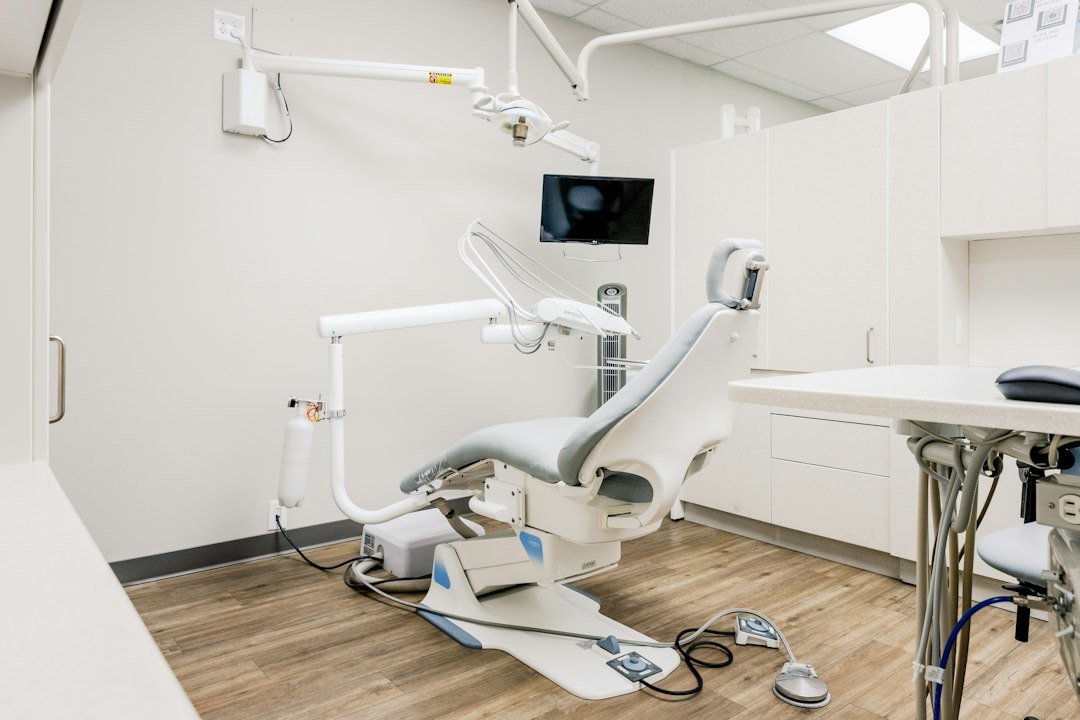
Picture it. Saturday morning, someone bites into a bit of toast the wrong way and a front tooth chips. They don’t text a friend for a recommendation. They grab the phone, type “emergency dentist near me”, glance at the map, check two or three star ratings and ring whichever dental practice looks open and half decent.
Two minutes, tops.
That little window is what SEO for dentists actually comes down to. Not a trophy ranking for “best dentist UK”, but being the practice that turns up, looks trustworthy and is easy to book at the exact moment someone is in a bit of a state. Below are the seven things I’d work on, roughly in the order I’d do them, written for practice owners and managers rather than marketers. No dental SEO jargon, promise.
Table of Contents
ToggleSEO for dentists starts with the map
For most local searches people see the map pack before they ever see a website. Three listings, stars, opening hours, a call button. Your Google Business Profile decides if you make that box, which makes it the first job in SEO for dentists and easily the cheapest bit of dental SEO you’ll ever do.
Pick “Dentist” as the primary category. The setup is dull. Do it anyway. Then add secondary ones that genuinely match what you offer, like “Cosmetic dentist” or “Emergency dental service”, and list your services one at a time (implants, Invisalign, hygiene, whitening, root canal treatment) with a plain sentence or two for each. Honestly, a lot of profiles stop halfway through this. Don’t.
Photos matter more in dental SEO than practices expect. The real reception, the real treatment rooms, the outside of the building so people can spot it from the street, the team. Nervous patients want a look at the dental practice before they walk in, and stock photos of perfect white teeth help nobody.
Keep the hours right, bank holidays included, and say when emergency slots run, because a profile that says “Open” while the phones go to voicemail is the quickest route to a one-star review I know of. Then post a short update every couple of weeks (a new hygienist starting, late appointments on Thursdays, a nudge that children’s check-ups fill up before half term). Small stuff. It shows the place is alive. And it’s free SEO for dentists, which is rare.
One page per treatment, and say the price
A single “Our Treatments” page with twenty bullet points won’t rank for any of them. Not one. It’s probably the most common dental SEO mistake on practice sites, full stop. In dental SEO terms, each main treatment wants its own page, and this is where SEO for dentists starts paying for itself.
So what goes on an implants page, say? Whatever patients ask on the phone. What actually happens, step by step. How many visits. Does it hurt, and what numbing or sedation is on offer. How long recovery takes. Who at the dental practice does the work and what training they’ve had. And the cost, or at least a starting price and what pushes it up.
Price is the one everyone dodges in dental SEO. It’s also the thing searchers want most.
Want the bluntest bit of SEO for dentists advice I’ve got? Publish a price.
Imagine someone at 11pm with three dental practice websites open in three tabs, comparing composite bonding. Two say “prices on consultation”. One says “from £250 per tooth” (a made-up figure, obviously, use your own) and explains why it varies. Which one gets the enquiry? Easy. I’d bet on the third, nine times out of ten. A plumber’s service page can be four lines long. An implants page can’t, because the patient is about to spend a lot of money on something going into their mouth, and they want to be reassured before they pick up the phone.
Show who’s actually holding the drill
People choose a dentist first and a dental practice second. So SEO for dentists has to put the clinicians front and centre. Every one of them should have a bio with a real photo, qualifications, special interests and something human (why they went into dentistry, say, or why they enjoy treating nervous patients).
In the UK there’s a rulebook here too. The General Dental Council’s guidance on advertising says practice websites should show each dentist’s professional qualification and where it was obtained, their GDC registration number, the practice address and contact details, a link to the GDC website, the complaints procedure and the date the site was last updated. It also says dentists who aren’t on a GDC specialist list shouldn’t call themselves “Orthodontist” or “Periodontist”. “Special interest in” is the safer wording. Small change. Big difference.
Compliance, yes. But it’s also decent dental SEO, because clear credentials make a site easier to trust, and pages people trust are pages people book from. Outside the UK the rules differ, so check with your own regulator.
Reviews: ask every single time
Star rating, number of reviews and how recent they are all shape who gets the call, and they appear to play a part in map rankings too. Any dental practice with hundreds of reviews has usually done one boring thing. It asks. Every patient, every time.
Reviews are the bit of SEO for dentists patients see first. Treat them that way.
The easy version is a text or email after the appointment with a direct link to your review form. Reception at the dental practice can mention that a link is coming, without pushing (Google’s policy specifically says businesses shouldn’t pressure people into reviewing while they’re on the premises).
Two things that have no place in SEO for dentists, ever. Don’t offer a discount or a free whitening top-up for a review, and don’t “gate” reviews by only sending the link to patients you reckon will be happy. Google’s contribution policies ban incentivised reviews and fake engagement. Getting reviews stripped out or the profile restricted is a horrible way to learn that.
Reply to everything. It’s dental SEO and customer service in one go. With a bad review, stay calm, keep it general and invite them to contact the dental practice manager directly. And never confirm in public that someone is a patient, or say anything about their treatment. Not even to defend yourself.
The website stuff patients actually notice
Most of the searches SEO for dentists cares about happen on a phone. So the site needs to load quickly on mobile, the number needs to be tappable and the “Book” button needs to be visible without scrolling, which sounds obvious until you test your own site on a cheap Android over 4G in a car park. Run your homepage and your busiest treatment page through Google’s PageSpeed Insights. Giant before-and-after photos nobody compressed and autoplay videos are the usual suspects, and fixing them is the easiest dental SEO win on most sites.
Online booking is underrated SEO for dentists, if your practice software supports it. Failing that, a short callback form.
A bit more technical, but it’s the kind of SEO for dentists a developer can knock out in an afternoon. Schema.org has a Dentist type you can use on the homepage and contact page with your name, address, phone, hours and coordinates. And keep the dental practice name, address and phone number identical everywhere, from the site and the map listing to NHS or insurer directories, Yell and Yelp. An old phone number still sitting on one directory is a classic dental SEO slip, and it’s sod’s law that it’ll be the one a patient finds.
Content that answers the questions people are too nervous to ask
Most dental blogs are filler, and filler isn’t dental SEO. “5 tips for whiter teeth.” Nobody’s booking from that.
The articles that earn their keep in SEO for dentists answer the stuff patients worry about at home but won’t ask in the chair. Why do implant prices vary so much between practices? Is composite bonding worth it, or will it chip? Invisalign or fixed braces for an adult? What actually counts as a dental emergency? Can I have treatment if I’m properly terrified? Each of those can be a useful page that links to the matching treatment page, so the dental practice gets found by people who are still making up their minds.
Keep the tone calm and factual, the way a good nurse at your dental practice would explain it, don’t promise results, and get a clinician to read anything that touches on outcomes. One solid article a month is plenty.
Local links, measuring it, and how long it takes
Links still matter in SEO for dentists, but the useful ones are local and real, the kind you’d get anyway just by being part of the area: a listing on the website of the junior football team you sponsor. A talk on children’s teeth at a local nursery. A piece in the local paper when the dental practice opens a new surgery. None of it’s quick. All of it is safe dental SEO. I’d steer well clear of anyone selling “dental backlink packages” with hundreds of links from random sites, because at best they do nothing and at worst you’re paying someone else to clean them up next year. If you’d rather hand the whole thing over, our roundup of local SEO companies covers what to look for.
Then measure what matters. SEO for dentists lives or dies on bookings, not rankings. What a dental practice needs is new patient bookings, especially for the higher-value treatments. Track calls from the website and the map listing (call tracking numbers handle this), online bookings and form fills. For dental SEO, Search Console shows which searches bring people in, GA4 shows what they do next, and both are free. If the implants page gets visits but no enquiries, it probably needs clearer pricing.
How long does dental SEO take? Expect a few months before you see a clear difference, longer in busy cities where several dental practice owners are fighting over the same streets. Profile fixes and a steady trickle of reviews tend to show up first. Anyone promising you the top spot in a fortnight is guessing, or selling SEO for dentists they can’t deliver.
Dental SEO is its own little world. For the wider medical picture (hospitals, GP groups, private clinics), our separate guide to healthcare SEO goes into that. And for ideas beyond search, our list of small business marketing ideas has plenty that suit a local practice.
If I had to pick one thing in SEO for dentists? The map listing and the review habit. I suspect plenty of practices would get more calls from search without touching the website at all, just by getting those two right and sticking at them for a year.
The rest of SEO for dentists is patience. Proper treatment pages, real clinicians on show, a site that works on a phone. Not glamorous, but it’s what turns a chipped tooth on a Saturday into a booking.
Want a hand with SEO for dentists at your own dental practice? Have a look at our SEO services.
Share this:
Related

About Mudasser
Mudasser is the author behind Semityn Journal. He has 5 years of hands-on experience in SEO and digital marketing, working on keyword research, on-page and technical SEO, content strategy and link building for small businesses. His guides focus on what actually works in practice, and he updates them when Google changes the rules.
View all posts by Mudasser