
How AI Transforms Keyword Research with Search Engine Marketing Intelligence

Not that long ago, keyword research meant exporting a spreadsheet from Keyword Planner, sorting by volume, and picking whatever looked big but not hopeless. It sort of worked. But it missed most of what people actually meant when they typed something into Google, and it had nothing at all to say about search intent.
That’s changed. Fast.
AI now sits inside nearly every tool a marketer opens in a day, from Google Ads to rank trackers to the chat assistant in another tab, and it happens to be very good at one specific thing: spotting patterns in big, messy piles of search data. Search engine marketing intelligence is the slightly grand name for turning those patterns into decisions, and AI keyword research is usually where it starts. Which keywords to chase. Where the budget goes. I’ll walk through how AI keyword research works in practice, where it helps, where it’ll happily mislead you, and a simple routine you can actually keep up.
Table of Contents
ToggleSo what does search engine marketing intelligence actually mean?
Take the jargon away and search engine marketing intelligence is fairly plain. You use data from paid and organic search to work out what people want, then you act on it. Which questions are people asking, which ones turn into sales, what’s rising and fading, and where have your competitors suddenly started spending money they weren’t spending last quarter?
For years the “intelligence” part was a person squinting at CSV exports late on a Thursday. AI just speeds that up. It can group thousands of queries by meaning in a few minutes, flag changes in search intent, and summarise a search terms report quicker than you can make a coffee, which is roughly what search engine marketing intelligence promised all along and rarely delivered when it relied on interns and pivot tables. It doesn’t replace judgement. It takes away a lot of the sorting, and honestly that’s the main promise of AI keyword research.
The bigger shift in search engine marketing intelligence is that paid and organic now feed each other properly. Ads show you which exact queries convert, and they show you quickly. Organic data shows long-term demand and the kind of content Google rewards. Good search engine marketing intelligence puts both in one picture, so what you learn about search intent from a £300 ad test shapes the blog post you write next, and the other way round.
What AI keyword research does differently
Three things, mainly.
First, it thinks in topics rather than single terms. The old approach treated “running shoes”, “best running shoes” and “running shoes for flat feet” as three separate targets, sometimes with three separate thin pages fighting each other. AI keyword research groups them by meaning instead. Clustering tools look at which queries bring up similar results and bundle them. One strong page, one cluster.
Second, it reads search intent at scale. Volume tells you how many people search. Search intent tells you why. AI models are good at labelling thousands of queries as informational, commercial or transactional (or someone just hunting for a specific site), and at catching the quieter differences too. Someone typing “boiler cost” is probably budgeting for a replacement. Someone typing “boiler repair cost” has a cold house and a problem right now. Same topic. Completely different page needed.
Third, it watches all the time, which changes search engine marketing intelligence from a quarterly chore into something closer to a weather report. These days the AI features in most SEO and PPC tools will flag when a query suddenly jumps, when a competitor starts ranking for one of your clusters, or when click-through drops across a group of terms.
Where the numbers for AI keyword research should come from
Here’s the catch with AI keyword research, and it’s where plenty of people trip up. AI is only as good as the data you give it.
Chat assistants are lovely for brainstorming. Hopeless for volumes. Ask one for “monthly searches for emergency plumber Leeds” and you’ll get a confident, specific number with nothing at all behind it. Don’t build search engine marketing intelligence on that.
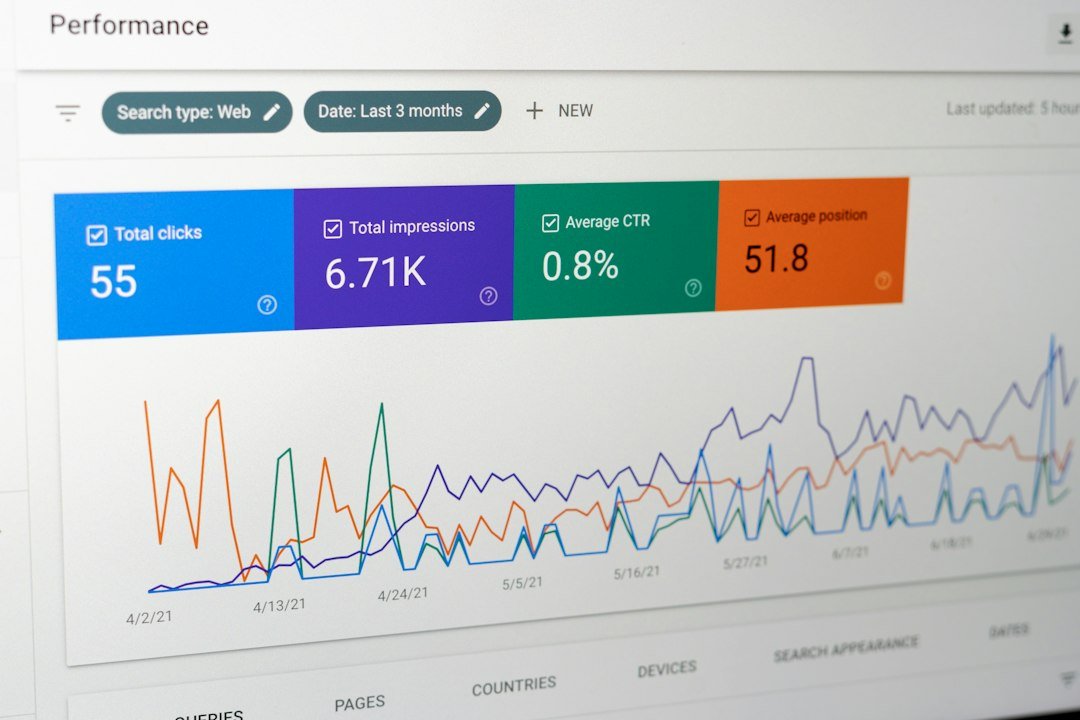
Real keyword data comes from a short list of places. Google Search Console shows the actual queries that brought impressions and clicks to your site. Google Ads search terms reports show exactly what people typed before clicking your ads. Google Keyword Planner is free inside Google Ads, though you’ll need billing details set up before it shows keyword ideas. Then third-party SEO tools add competitor estimates on top, which is handy when your AI keyword research needs to cover rivals as well as yourself. If you’re picking one of those, our guide to Ahrefs alternatives sorts the main options by budget.
So pull from real sources first. Then let the AI sort, group and interpret, which is the half of search engine marketing intelligence it’s genuinely brilliant at. That order matters more than which AI you use. Every time.
What changed inside Google Ads
Paid search is where AI has moved fastest. It’s also one of the richest sources of search engine marketing intelligence you’ve got. AI Max for Search campaigns is the obvious example. According to Google’s help documentation, it isn’t a new campaign type but a layer you switch on inside existing Search campaigns. It uses broad match and “keywordless” technology to find relevant queries you never targeted and writes customised ad text from your existing ads and landing pages.
For search engine marketing intelligence, the reporting is the interesting bit. Search terms reports now show “AI Max” as a match type, with a source column telling you if a match came from broad match or keywordless matching. That’s a lot of free insight into search intent. Real queries Google found for you, which ones converted, and which ones quietly ate your money while you were busy doing something else (which, for most small businesses running their own ads, is most of the time).
The flip side? Less control. Much less. Automated matching can wander off into irrelevant searches if nobody’s reviewing those reports and adding negatives. Say a solicitor’s firm doing its own search engine marketing intelligence bids on “conveyancing quote” and later finds spend leaking into “conveyancing jobs”. The AI found the queries. A human has to prune them. If that sounds like more faff than you’ve got time for, our guide to hiring a PPC advertising agency covers what to look for.
A routine that doesn’t need a data team
Nothing fancy here. This is AI keyword research and search engine marketing intelligence for a business with one marketer and a long to-do list.
Start by exporting three to six months of queries from Search Console and, if you run ads, your search terms report, because that’s your own first-party data and it’s worth more than anything you can buy from a tool vendor, however shiny their search engine marketing intelligence dashboard looks in the demo. Add a seed list of topics from your products, your services and the questions customers actually ask, then run those seeds through Keyword Planner or an SEO tool for volumes and related terms.
Now hand the lot to an AI assistant and ask it to cluster everything by meaning and label search intent. This is the bit of AI keyword research that saves the most time. A few thousand rows is nothing for it. You’ll get groups like pricing questions, comparisons and local searches. Check them yourself, though, especially where search intent looks mixed, because AI does sometimes lump together terms that need very different pages.
Then map each cluster to one page. No page? That’s a gap. Two pages fighting over one cluster? Merge them.
Finally, close the loop. Queries that convert well in paid search often deserve a stronger organic page. Organic pages that rank but get few clicks probably need better titles. Simple stuff. That back-and-forth is search engine marketing intelligence at its most useful. It’s also the part most people skip.
Don’t take the intent labels on trust
AI labels for search intent are a starting point. Not gospel. The most reliable test is still the dullest one: search the term yourself and look at what ranks. All product listings? Google reads the search intent as buying. Guides and videos? They want to learn. A map pack? They want someone nearby, today.
Picture a garden centre that wants to rank for “raised beds”. The results come back mixed, with product pages, a couple of how-to guides and some images. That’s split search intent, so the best page probably blends a short buying guide with products. AI keyword research can flag that a term looks mixed. Your own eyes on the results tell you what kind of page will actually compete, because search intent is ultimately whatever Google decides it is.
Is any of this paying off?
Fair question, and worth asking before you sink hours into search engine marketing intelligence. Track clusters, not single terms. Pick five or six clusters from your AI keyword research, note their impressions, clicks and conversions in Search Console and Google Ads, and look again in three months.
Are the clusters your AI keyword research pointed to gaining impressions? Has paid spend drifted towards queries with clearer search intent? Are the wasted-spend queries shrinking now you’ve added negatives? If yes across the board, it’s working. If not, look at the data going in first. That’s usually where the rot starts.
Keep your search engine marketing intelligence reporting boring, too. One sheet per cluster, updated monthly, beats a sprawling dashboard nobody opens after week two.
The traps
Trusting invented numbers is the big search engine marketing intelligence mistake. If a figure didn’t come from Google or a reputable tool, it’s a guess wearing a suit.
Then there’s chasing volume over search intent. Tempting. Wrong. A term with 200 monthly searches and obvious buying intent can be worth far more than one with 20,000 searches from people who’ll never spend a penny with you.
And publishing AI-written pages at scale is asking for trouble, because Google’s spam policies specifically call out scaled content abuse. Use AI keyword research for direction and outlines, not finished copy. Have someone who actually knows the subject write and check the final page.
One more. Search engine marketing intelligence tells you what people search for, which is a different job from knowing if ChatGPT or AI Overviews mention your brand. Easy to blur. That second job is covered in our piece on AI search monitoring tools.
My honest view? AI keyword research hasn’t replaced the human kind and it won’t any time soon. What it’s done is make the tedious parts quick and the useful patterns easier to spot, which is a genuinely good trade for a small team. Pull real data, let the machine sort it, then check search intent with your own eyes. That’s search engine marketing intelligence with the buzzwords taken out.
If you’d like help building it into your plans, have a look at our SEO services.
Share this:
Related

About Mudasser
Mudasser is the author behind Semityn Journal. He has 5 years of hands-on experience in SEO and digital marketing, working on keyword research, on-page and technical SEO, content strategy and link building for small businesses. His guides focus on what actually works in practice, and he updates them when Google changes the rules.
View all posts by Mudasser